The Psychology of Clothing: How what you wear shapes who you become?
What you wear in the morning is more than just a style choice. In fashion psychology, clothes act like a behavioral guide. They influence how you think, move, and present yourself.
Professor RJ Starr, in The Psychology of Us, says clothes can shape our daily actions. This idea is key because life is full of moments needing clarity. Think about interviews, conferences, formal events, or a first date.

Clothing has a double effect. It influences how others see you and how you see yourself. A sharp outfit can improve your posture. A well-chosen outfit can calm your voice when things get tough.
This shows how clothing and personal growth are connected. Over time, developing your personal style can become a quiet way to respect yourself. For an independent woman, this can boost her inner strength without needing to say a word.
Seen this way, wearing clothes as a form of self-expression is also a psychological anchor. It can show your intentions, clear your mind, and keep you focused. In the sections ahead, we’ll explore nonverbal cues, quick first impressions, how clothes affect our thoughts, their symbolic meanings, and the choices between casual and intentional dressing.
Why clothing psychology matters more than trends
Trends change fast, but people always notice. What you wear tells a story in seconds. This is why fashion is key in real life, not just on runways.
For women in big cities, style shows their goals quickly. It can show ambition, ease, or focus. It also captures the city's vibe, from work to dinner.

Clothing as nonverbal communication: what people “read” before you speak
Before you say a word, people check your outfit. This is how clothes communicate, based on culture and personal views. A neat collar says you're ready, while a wrinkled tee means you're in a hurry.
Symbolic interactionism explains this. We use visual clues to guess about others. Even without words, your clothes send a message.
How first impressions form quickly—and why context sets the rules
First impressions are quick, and setting is key. You wouldn't wear joggers to a wedding. Or a suit to a BBQ.
In big cities, what's right changes by area and time. Looking put together gets you noticed. Looking out of place might seem like you're not trying.
Clothing as a psychological anchor that shapes posture, energy, and presence
What you wear affects you too. Clothes can change how you stand and feel. A structured jacket can make you stand taller and move slower.
In a world where casual is common, small choices matter. Try making a few consistent choices that fit your life and city:
- A clean, well-fit base layer that feels sharp but easy
- One tailored piece that signals purpose without saying a word
- Shoes that support long walks while keeping the urban essence intact
Self-expression through fashion, Wardrobe for growth, Enclothed cognition
Personal style is more than just clothes. It's a way to express yourself and show who you are. When you dress with purpose, your style becomes clearer. It becomes a part of who you are, not just a passing mood.
That’s where Enclothed cognition comes in. It links your clothes to your choices. This way, you can find emotional freedom without waiting for the perfect moment.

Enclothed cognition explained: how what you wear can shift mindset and behavior
Enclothed cognition says your clothes can change your mood and actions. It's not magic in the fabric. The change comes from the meaning and role your clothes give you.
Think of it as a daily prompt for your brain. A blazer can mean leadership. Work boots can show builder energy. Over time, these meanings grow with you.
What research shows: the Adam & Galinsky (2012) lab coat study and symbolic meaning
In 2012, Hajo Adam and Adam Galinsky tested this idea. They used a simple white coat. People did better on tasks when they wore it as a doctor's or scientist's coat. But not when it was seen as a painter's coat.
The study shows the power of symbolic meaning. The coat stayed the same, but the story changed. This is enclothed cognition at work, helping you build an identity with purpose.
Turning outfits into cues: building “personal uniforms” to support focus and flow
To make this practical, create "personal uniforms" for your life. Each one should help you focus and reduce stress. It should also let you express yourself through fashion. Done right, your closet becomes a system, not a source of stress.
- Deep work: clean lines, fewer colors, comfortable shoes to protect attention.
- Presenting or teaching: sharper tailoring and a signature piece that matches your aesthetic narrative.
- Creative sessions: texture or color that sparks energy while staying true to authentic aesthetics.
- Training or movement: gear you trust, so emotional freedom shows up as action.
When outfits become cues, you dress for the person you're becoming. This is the real value of a Wardrobe for growth. It turns your intentions into something you can wear every day, guided by Enclothed cognition.
How what you wear influences confidence, competence, and performance
Dressing is more than just fashion. It affects how people see you, how you stand, and how steady you feel. When you dress for confidence, you tell your brain it's time to shine.
Research shows that wearing formal clothes changes how you think. In a study, people in formal clothes felt more powerful and thought more abstractly. This helps them focus better on complex tasks.
Professor RJ Starr found that wearing a best suit before a lecture changed everything. It wasn't just about looks; it improved pace, clarity, and presence. On big stages, this can help you stay calm and clear.
In work settings, your outfit sends messages of competence and authority before you say a word. Studies and surveys show that professional dress is linked to being seen as smart, successful, and reliable. Casual clothes are great for showing warmth and approachability.
Professional dress can also impact business results. A study found that sellers in suits were seen as more educated and trustworthy. This made the products they sold seem better too.
People judge you based on your whole outfit, not just one piece. A well-coordinated outfit sends a clear message and builds trust. This helps you feel more confident and less likely to doubt yourself.
Fit is key to feeling confident in your clothes. A well-fitted waist can improve your posture and eye contact. When clothes fit right, you save energy and perform better.
Choosing your outfit wisely is important too. Simple, clean designs and the right accessories can show calm without being too obvious. When your outfit feels like you, you'll speak more clearly, make better decisions, and perform better.
The emotional side of style: dopamine dressing, color psychology, and texture
What you wear in the morning can change your day. A “favorite outfit” can lift your mood and boost self-esteem. It makes everyday moments special.
Dopamine dressing and personal joy: choosing pieces that lift mood and motivation
Dopamine dressing is simple. Pick colors, comfort, and symbols that make you feel good. It's about finding that spark in your daily clothes.
- Start with one “winsome” piece you can wear often, like a soft tee or sharp shoe.
- Build outfits around ease to keep your body and mind calm.
- Choose items that feel like you, not like a costume.
Color and emotion: confidence associations with red and calm associations with blues/greens
Color can quickly change your mood. A 2014 study found that red makes people feel more confident and attractive (Roberts et al., 2014). Red is also linked to energy and better physical performance (Elliot & Aarts, 2011).
For calm, blues and blue-greens are best. University of British Columbia research shows they can reduce stress (Mehta & Zhu, 2009). A navy shirt or deep teal scarf can calm you down during a busy week.
Premium fabric texture and sensorial experience: why softness, breathability, and durability matter
Fabric is like psychology you can touch. Soft, breathable fabrics like cotton and bamboo soothe your nervous system. They help regulate your body's temperature and reduce irritation, which lowers stress (Kondo et al., 2012).
Texture and durability are important too. Rough or restrictive materials can make you feel worse. Premium fabrics are worth it because they feel great for hours.
Inclusive details are key. Adaptive design, like magnetic closures, helps people with arthritis. It makes getting dressed easier and gives back control.
Subtle elegance in practice: authentic ease, subtly revealed shoulder, and a self-possessed approach
Subtle elegance is about calm confidence. Look for clean lines, thoughtful drape, and a shoulder that feels right. It's about letting your clothes work for you, so you feel natural.
Dress like your space is a serene haven. Use calm colors, breathable layers, and refined basics. When premium fabrics meet authentic ease, getting dressed becomes a clear, calm process.
Overcasualization and the lost art of intentional dressing
Today, comfort is the norm, and our outfits often blend together. A hoodie can mean anything from work to rest. This mix might feel simple, but it can also make our days feel less meaningful.
Intentional dressing is not about strict rules or being perfect. It's about making small choices that say, this moment matters. With a few intentional choices, we can find authentic ease without losing focus.
When every day looks the same: blurred boundaries between work, rest, and purpose
Clothing acts as a transition ritual. Wearing work clothes can help us focus and feel more energized. But when we wear loungewear for everything, our minds don't get the signal to change gears.
Working from home can make it tempting to dress down. But many people find they feel more professional and alert when they dress up, even if it's just for a video meeting.
The hidden cost: casual defaults can reduce intentionality and engagement
Casual clothes can send a message that we don't need to put in effort. This can lead to lower engagement over time. It can also affect how others perceive us, like showing up in jeans to a formal event.
Dressing for confidence doesn't have to be flashy. It's about clean lines, a good fit, and a detail that shows you planned. This quiet confidence can help us develop our personal style, one choice at a time.
Reclaiming elegance without rigidity: aligning purpose, audience, and authenticity
Elegance is about mental alignment, not strict rules. It's about finding order in chaotic times. With inner independence, we can respect the situation without losing ourselves.
- Match context and purpose: if you're unsure, dress a bit more polished to show you care and are competent.
- Choose authenticity: pick styles and colors that feel like you, so intentional dressing stays enjoyable.
- Create symbolic uniforms: have a few go-to outfits for important tasks or meetings, making getting dressed a focus trigger.
Brand-inspired style philosophy: 26 YEARSOLD and clothing as a vessel for emotion
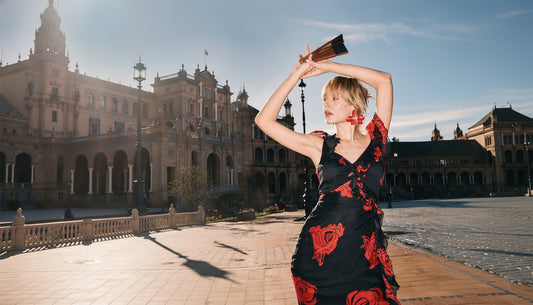
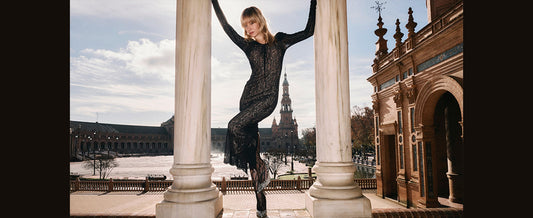
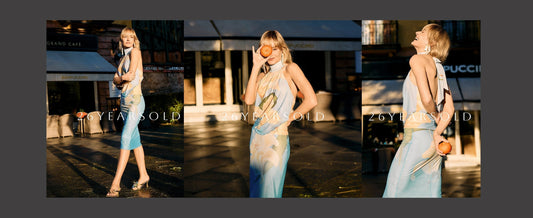
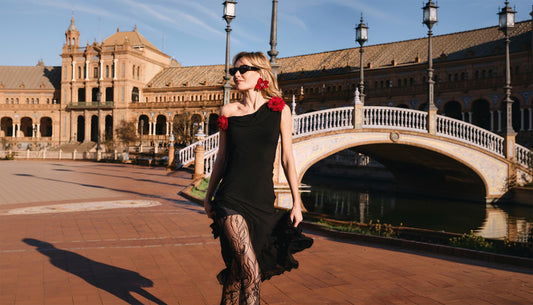
26 YEARSOLD started in 2017 with a simple idea: clothes can carry emotions. It combines eastern beauty with Western creativity. This makes clothes calm, modern, and long-lasting.
This isn't just for a quick look. It's about celebrating a woman's growth, day by day.
Clothing can be like an anchor, according to psychology. What you wear can improve your posture, focus, and confidence. That's why 26 yearsold focuses on simple designs and quiet strength.
The aim is to show presence without being too loud.
For city women who are always on the go, 26 YEARSOLD offers practical yet stylish options. These clothes support emotional freedom without sacrificing structure. They offer a sense of confidence and elegance that's easy to wear.
These pieces help you stay grounded, even when life gets busy.
Fabric is key in creating mood and memories. High-quality materials make clothes comfortable and durable. This way, 26 yearsold collections turn your wardrobe into a story of personal growth.
You can wear your desired mindset, whether it's for a big event or everyday life.
FAQ
What does “clothing as behavioral design” mean—beyond fashion and trends?
It's about seeing clothes as a tool to shape our daily actions. Professor RJ Starr explains that what we wear can change how we think and feel. It's not just about following trends; it's about choosing clothes that help us stay focused and confident.
How can clothing change both how others see me and how I see myself?
Clothes have a big impact. They can make a strong first impression, showing people our effort and professionalism. They can also change how we feel inside, making us stand taller and speak more confidently.
How fast do first impressions happen—and what role does clothing play?
First impressions are made in seconds, often before we even speak. Clothes send a message, telling others about us through what we wear. This can show if we're ready to take on a challenge or not.
Why does context matter so much in clothing psychology?
Context sets the rules for what's appropriate. You wouldn't wear casual clothes to a formal event, for example. Clothes help us fit in and show respect for the situation.
What is symbolic interactionism, and how does it relate to personal style development?
Symbolic interactionism is about how we create meaning through social cues. Clothes are a key way to show our values and identity. Fashion is a way to express ourselves and connect with others.
What does it mean to use clothing as a “psychological anchor”?
A psychological anchor is something that keeps your mind focused. Wearing clothes that make you feel confident can help you stay calm and focused. It's like a mental boost.
What is enclothed cognition?
Enclothed cognition is how our clothes affect our mood and behavior. It's not just about how we look, but how we feel. The right clothes can make us feel more confident and ready to take on challenges.
What did the Adam & Galinsky (2012) lab coat study actually show?
The study found that wearing certain clothes can improve our performance. Wearing a white coat made people feel more confident and focused. It's not just the clothes, but what they mean to us.
How do “personal uniforms” work as behavioral triggers?
Personal uniforms are special outfits for important activities. They help us get into the right mindset for work or creativity. It's like having a uniform for your inner self.
Can formal clothing really improve focus or “felt power”?
Yes, research shows that formal clothes can make us feel more confident and focused. It's like wearing a badge of authority. This can help us perform better in important situations.
How does professional attire affect trust and competence in the workplace?
Professional clothes make us seem more competent and trustworthy. People perceive us as more educated and reliable when we dress well. It's a way to show respect and professionalism.
What is the “ensemble principle,” and why does it matter?
The ensemble principle is about how our whole outfit is seen as one message. It's about fit, fabric, and how everything works together. A well-coordinated outfit can make a strong impression.
How does tailoring influence confidence in a concrete way?
Tailoring affects both how we feel and how we look. Clothes that fit well make us feel more confident and in control. It's about feeling good in what we wear.
What if intentional dressing makes me feel like I’m wearing a costume?
If clothes feel like a costume, it can affect how we act. The goal is to find clothes that feel true to us. Start with pieces that feel right, then add details that show our personality.
What is dopamine dressing, and how does it support emotional freedom?
Dopamine dressing is about wearing clothes that make us feel good. It's about colors and textures that bring joy and calm. When we wear clothes that make us happy, we show up more fully.
What does research say about color— especialmente red and blue?
Red makes us feel confident and attractive, while blue calms us down. Studies show that wearing red can boost our energy and performance. Blue can help us relax and focus.
Why do premium fabrics and texture matter in fashion psychology?
Texture affects how we feel. Soft fabrics can soothe us and improve focus. Premium fabrics also last longer, making our clothes a reliable part of our daily routine.
What should I avoid if I want clothing to support my mood and performance?
Avoid clothes that are uncomfortable or restrictive. They can drain our energy and make us feel off. Comfort is key to staying focused and calm.
How does adaptive design connect to independence and confidence?
Adaptive wear helps us feel more in control. For example, magnetic closures can be easier to use than buttons. This can reduce stress and boost our sense of self-worth.
What does “subtle elegance” look like in real life?
Subtle elegance is about understated style. It's about clean lines and fabrics that drape well. It's about looking polished without trying too hard.
What is overcasualization, and why does it matter right now?
Overcasualization is wearing casual clothes everywhere. It can blur the lines between work and play. Intentional dressing can help us stand out and show our purpose.
How does clothing act as a boundary ritual— especialmente with remote work?
Clothes help us transition between work and personal time. Wearing work clothes at home can help us stay focused. It's about creating clear boundaries in our daily lives.
Is there a way to reclaim elegance without rigid rules?
Yes, elegance is about being true to yourself. Match your clothes to the situation and dress with confidence. It's about finding a balance that feels authentic.
What are the three most practical principles for intentional dressing?
First, match your clothes to the situation. If unsure, dress a bit more formally. Second, choose clothes that feel like you. Third, create special outfits for important activities to help you stay focused.
How does 26 YEARSOLD connect to clothing psychology and personal growth?
26 YEARSOLD is a brand that values emotional expression through fashion. It's about finding clothes that support our journey of self-discovery. It's about being true to ourselves through what we wear.
Who is the 26 YEARSOLD woman in a modern metropolis?
She's a woman who values elegance and self-expression. She wants her clothes to reflect her personality and values. She sees her wardrobe as a tool for personal growth and self-expression.
How do premium fabrics and restraint support long-term wardrobe building?
Premium fabrics and careful design help our clothes last longer. They provide a consistent look and feel, supporting our personal style. It's about building a wardrobe that reflects our values and personality.
Previous
Investing in Silk and Wool: Why Fabric Texture Is the True Language of Luxury?
Next
The Ultimate 2026 Vacation Edit: Why Colorful Maxi Dresses Are the Must-Have Trend