Investing in Silk and Wool: Why Fabric Texture Is the True Language of Luxury?
Luxury begins when fabric touches your skin. In France, style is often subtle, and it shows in the feel. sustainable luxury fibers tell a story through their drape, weight, and how they feel after many uses.
premium fabrics look refined but also last long. They avoid the tired, shiny look common in many blends. With a focus on cost-per-wear, the higher price is worth it for comfort and durability over time.

Natural silk is a clear example of texture. It feels cool, light, soft, and smooth. Its sheen changes with the light, thanks to how the fiber reflects it.
Wool has its own unique role. It feels warm without being heavy and bounces back well. When chosen carefully, it becomes a go-to material for quality.
This is key in sustainable fashion, aiming for fewer, better pieces. Yet, the market is full of "silk-like" satin and synthetic fabrics. They may shine but lack the real feel. We'll discuss how to spot the real deal later, so you can shop with confidence.
Texture as Luxury’s Sensory Narrative: When Clothing Becomes a Warm Companion
Luxury is about the touch of fabric against your skin. Texture tells a story of comfort and companionship. In France, it's more important than flashy logos.
Silk is a quick indicator of quality. It feels cool and smooth, like a gentle breeze. This first touch sets the tone for luxury.

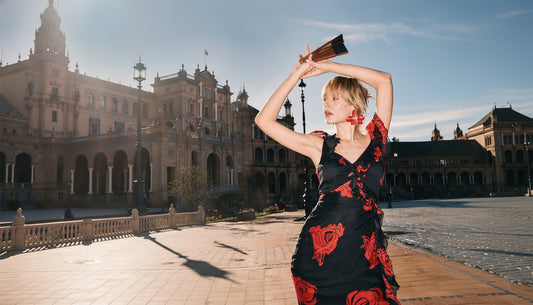
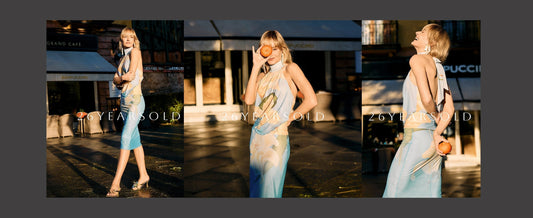
26 YEARSOLD’s cross-cultural dialogue between Shenzhen and Paris (established in 2017)
Started in 2017, 26 YEARSOLD connects Shenzhen and Paris through fashion. They focus on design and materials to share cultures. Their clothes feel lived-in, not just for show.
Texture as a vessel for emotion, delicate intentions, and refinement of expression
Texture holds emotions close to your heart. It's personal and immediate. You feel it every day, in every moment.
Delicate intentions are in the details. A well-made seam, a soft sleeve, and fabric that holds its shape. 26 YEARSOLD values these for a subtle yet powerful expression.
Lasting companionship: garments that witness a woman’s growth and carry her life’s story
Worn often, a piece becomes more than clothes. It's a companion that holds memories. It sees you grow and change.
26 YEARSOLD chooses silk and wool for their feel and meaning. They want clothes that show a woman's strength and freedom. These pieces are meant to last, season after season.
Authentic aesthetics that feel personal, not performative
Being seen is different from being understood. True beauty is in how materials look and feel naturally. No need for extra shine or stiffness.
Texture-led design is personal, not just for show. It speaks through touch and silhouette. This changes how we see luxury.
Sustainable luxury fibers, Premium fabrics, Cost-per-wear investment
In France, luxury is not just about looks. It's about lasting through everyday life. Sustainable luxury fibers feel great from the start and stay stylish over time. This is why premium fabrics are worth the investment.

Why premium fabrics can cost more upfront but pay off through longevity and cost-per-wear investment
The price difference is more than just a label. Silk comes from a silkworm cocoon, making it more expensive. The process of harvesting and processing silk takes time and effort.
But the real value is in how long these fabrics last. A quality blouse can be worn for years, not just weeks. This makes each wear more affordable, simplifying your wardrobe.
Sustainable wardrobe essentials: fewer, better investment pieces in high-quality materials
Essential pieces are what you reach for every day. Think of a silk shirt or a wool knit that layers well. These items reduce the need to constantly buy new clothes.
- Choose repeat-wear value: colors and cuts that work across seasons.
- Protect the hand-feel: air out between wears and follow care labels.
- Buy for your calendar: office, travel, and weekends, not just special events.
Eco-friendly textiles and ethical fabrics: what “ethically sourced materials” should signal to shoppers
Eco-friendly and ethical fabrics should have clear labels. Look for specific fiber content and production details. Testing like OEKO-TEX® Standard 100 also indicates safer choices.
Be wary of items labeled as “silky.” The term has become popular, but quality can vary. Always check the label for authenticity.
Texture and durability as the real indicators of luxury sustainable textiles
Texture is a quick way to check if a fabric is real. Real silk feels smooth and breathes well. Synthetic fabrics can feel slippery or stiff.
Durability is also key. Look for fabrics that don't pill and have flat seams. When you choose sustainable luxury fibers, you support ethical practices.
Natural Silk: Cool, Smooth, Hypoallergenic Luxury You Can Feel
In France, silk is seen as a symbol of quiet confidence. It changes how clothes feel on the body, from morning to night. When chosen well, it's also a luxury sustainable textile that lasts for years.
What real silk feels like
Real silk feels cool to the touch when you first touch it. It's featherlight, then soft and smooth against your skin. Unlike synthetics, it's not stiff.
This feel is a quick way to know if you're getting high-quality materials. The fabric should drape well and feel calm, not clingy.
Gentle wear for sensitive skin
Hypoallergenic natural silk is great for those with sensitive skin. It's good against dust mites, mold, and mildew. This is important in humid places or older buildings.
It's also good for sleep because it's low-friction. This helps prevent frizz and tangles at night.
Comfort across seasons
Silk is breathable and wicks moisture well. It helps keep you cool in the summer and warm in the winter. This makes it feel luxurious for everyday wear.
With the right care, silk can last a long time. Buying fewer, higher-quality pieces is a smart choice.
Sheen that looks alive, not loud
Silk's shine is not just one color. It looks multi-tonal and changes as you move. This is why it can make simple clothes look elegant.
This is what people mean by luxury sustainable textiles. It's fabric that feels great, lasts long, and looks refined.
Mulberry Silk and Momme Weight: How to Choose Premium Silk That Lasts
In France, people often choose silk for its feel. But, lasting value comes from checking a few details quickly. When looking for premium fabrics, focus on where the fibers come from, clear labels, and weight, not just shine.
Why mulberry silk is considered the best for softness, breathability, and durability
Mulberry silk comes from Bombyx mori silkworms fed mulberry leaves. This diet makes the silk long and smooth, feeling very soft on skin. It also makes the silk breathable and durable, which is why luxury brands use it.
If you're building a sustainable wardrobe, mulberry silk is a good choice. It drapes well, doesn't pill easily, and stays comfortable through the seasons.
Grade cues and labeling: looking for clear “100% silk” and “100% mulberry silk” descriptors
Start with the label. Look for “100% silk” and “100% mulberry silk” if you can. Grade 6A is a common quality cue, and OEKO-TEX® Standard 100 means it's been tested for harmful substances.
For those who care about ethically sourced materials, being transparent is key. Clear labeling and credible certifications help you compare eco-friendly textiles without doubt.
Momme weight basics: why 22 momme is often treated as a versatile benchmark for silk bedding and wear
Momme (often written “mm”) shows how dense the silk is. Most products are between 19 and 30 momme. Around 22 momme is seen as versatile for pillowcases, sheets, and some clothes because it balances drape and strength.
In simple terms: higher momme means more opacity and better durability. Lighter weights feel airier. This is a practical way to judge quality before buying.
Where silk types differ in texture and structure: charmeuse, habotai, dupioni, silk satin, eri, muga, tasar
- Charmeuse: glossy, lightweight, with a shiny face and matte back; common in pillowcases, sleepwear, and lingerie.
- Habotai: soft, light, and more matte; often used for linings and scarves, usually at a lower price point.
- Dupioni: crisp and structured with visible slubs from double cocoons; great when you want texture that holds shape.
- Silk satin: satin weave made from real silk; rich sheen and fluid feel, unlike many synthetics that can trap heat.
- Eri: thicker with a slightly textured, matte look; less smooth than mulberry.
- Muga: naturally golden, strong, and rare, with a distinct sheen tied to traditional Indian textiles.
- Tasar: coarser and more textured, with an earthy luster and a look often left undyed.
Choosing the right weave is a lifestyle choice as much as a style one. The best eco-friendly textiles are those you'll wear often, maintain easily, and keep in rotation as true sustainable wardrobe essentials.
Merino Wool and Modern Performance: Warmth Without Bulk
Merino wool offers a unique balance of warmth and lightness. In France, this is key for those crisp mornings and mild afternoons. The right knit provides warmth without feeling heavy.
Micron-level merino wool: how finer fibers influence softness and next-to-skin comfort
Micron-level merino wool is known for its softness. Its fine fibers make it comfortable against the skin, with less itch than thicker wool. This comfort encourages people to wear it again and again.
Moisture management: wool’s moisture-wicking properties and breathable warmth
Merino wool is great at managing sweat while keeping you warm. It's perfect for busy days, long walks, and cozy cafés. The fabric stays breathable, so you stay comfortable even when the temperature changes quickly.
Warm and enduring presence: wool as a winter-to-transitional sustainable fashion staple
Merino wool is a key piece in sustainable fashion. It works well in a tight rotation, from winter to spring and back to fall. This way, your wardrobe stays warm and stylish without getting cluttered.
Texture and durability: why well-made wool pieces are long-term investment pieces
To check a wool piece's quality, look and touch. Look for clean seams, firm cuffs, and fabric that bounces back. These signs mean the piece will last for many years.
- Pilling control: a tighter knit and smooth surface tend to stay neater over time.
- Recovery: sleeves and hems should resist stretching out.
- Construction: consistent stitching and strong shaping support long-term use.
Real vs. Synthetic: How to Identify High-Quality Materials in a “Silky” Market
In France, the word “silky” is everywhere, from dresses to pillowcases. But finding true quality can be tricky. A few simple tests can help you tell real fibers from fakes and keep your wardrobe green.
Sheen test
Hold the fabric near a window and tilt it as you move. Real silk glows softly, with changing tones. Many synthetics, on the other hand, have a bright, flat shine that doesn't change.
Hand-feel test
Run the cloth between your fingers for ten seconds. Real silk feels cool and smooth. Synthetics might feel slippery at first but can get warm, stiff, or feel like plastic.
Label literacy
Reading labels is key because marketing words can hide the truth. Look for clear terms like 100% silk or 100% mulberry silk. Details like Grade 6A or OEKO-TEX® are also important. Be wary of vague terms like silky, satin, or silk blend, as they might not be what they seem.
For those who value ethical fabrics, labels should be straightforward. The more specific, the better. This makes it easier to compare quality and avoid false claims.
Burn test overview (safely)
A burn test can give clues, but do it safely. Only do it in a controlled setting, like outdoors or over a sink, with a tiny thread.
- Silk burns slowly, smells like burnt hair or feathers, and leaves light ash.
- Polyester and many synthetics often curl or melt, smell like harsh plastic, and form a hard bead.
Because “silk” items are sometimes mislabeled, use multiple tests before buying. Combine these with careful shopping for sustainable items. This way, you'll find high-quality materials that match your values and comfort.
Artisanal Textile Craftsmanship and Care: Making Luxury Sustainable Over Time
Artisanal textile craftsmanship is all about playing the long game. It's about clean seams, stable weaves, and balanced finishes. These details ensure that luxury sustainable textiles last, making them a smart cost-per-wear investment.
Silk needs special care to stay beautiful. Wash it in cold water with a silk-specific detergent. Avoid bleach and fabric softener. Mulberry Park Silks suggests washing silk alone and using Heritage Park Silk and Wool Detergent.
Iron silk on low heat while it's damp, using a pressing cloth. This keeps it sheen and soft. For silk bedding, smooth it onto the bed while damp to remove wrinkles. Always handle silk gently and store it away from light to protect its color.
Craft and care are linked to ethically sourced materials. Look for clear sourcing details and safety checks like OEKO-TEX® Standard 100. This ensures that luxury sustainable textiles are trustworthy. The payoff comes when both the making and the care are thoughtful.
FAQ
Why is fabric texture considered the true language of luxury?
Texture is more than just decoration. It's how a garment feels on your skin and looks when it moves. In sustainable fashion, it also shows how well a fabric lasts.
How does 26 YEARSOLD connect design intent to fabric selection?
26 YEARSOLD, founded in 2017, links cultures through clothing. They choose premium fabrics like silk and wool. These fabrics show a woman's independence and emotional freedom.
What does it mean to treat a wardrobe as a long-term personal asset in a France-facing context?
It means building a sustainable wardrobe with fewer, better pieces. Focus on quality materials that last and feel personal.
Why can premium fabrics cost more upfront, and how does that relate to cost-per-wear investment?
Premium fabrics are made with care and quality materials. Silk, for example, is made from silkworms and is expensive to make. Over time, these fabrics save money by lasting longer.
What should “ethically sourced materials” and eco-friendly textiles signal to shoppers?
Look for clear labels and specific information. Responsible brands use natural fibers and follow safety standards. This ensures the materials are good for the planet and people.
What does real silk feel like on the body?
Real silk feels cool, soft, and smooth. It's not stiff like some synthetic fabrics. People say it feels like it's gliding on your skin.
Why do so many “silk-like” products fail to feel like real silk?
Many "silk-like" products are actually made from synthetic materials. They may look shiny but feel cheap and uncomfortable. It's important to check the quality.
What are silk’s hypoallergenic and comfort benefits?
Silk is good for people with allergies because it's resistant to dust mites and mold. It's also breathable and keeps you comfortable in different temperatures. It's gentle on hair, reducing frizz and tangles.
What is silk’s signature sheen, and how can you spot it?
Real silk has a soft, shifting glow. Fake silk looks too shiny and doesn't change color with the light. True luxury in silk is subtle, not loud.
Is mulberry silk really the best choice for luxury sustainable textiles?
Mulberry silk is considered the highest quality. It's soft, breathable, and durable. It's a good choice for sustainable fashion.
What labels and certifications should I look for when buying premium silk?
Look for clear labels like "100% silk." Check for safety certifications like OEKO-TEX® Standard 100. Avoid vague terms like "silky" or "silk blend."
What is momme weight, and why does it matter for drape and durability?
Momme is a measure of silk weight. Higher momme means better drape and durability. It's important for longer-lasting clothes.
How do different silk types change texture and structure?
Silk comes in different types, like charmuse and dupioni. Each has its own feel and look. Silk satin is different from synthetic satin.
How should I think about merino wool as a counterpoint to silk?
Silk is cool and light, while wool is warm and protective. Merino wool is great for colder weather. It's a good choice for sustainable fashion.
What does “micron-level merino wool” mean for softness?
Micron-level refers to the fineness of the wool fibers. Finer fibers are softer and more comfortable. Look for next-to-skin comfort when buying wool.
How does wool earn cost-per-wear value in modern wardrobes?
Wool keeps you warm and manages moisture. It's great for layering and lasts longer. This makes it a good investment for your wardrobe.
How can I do a quick real-vs-synthetic silk check at home?
Check the sheen and feel. Real silk glows and feels smooth. Synthetics may feel stiff and shiny.
What is the burn test for silk, and how do I do it safely?
The burn test is a way to check silk quality. It should be done safely. Real silk burns slowly and smells like hair. Polyester burns differently and smells harsh.
How should silk be cared for so it stays luxurious and lasts years?
Wash silk in cold water with a silk detergent. Avoid bleach and fabric softener. Hang to dry and iron on low heat.
How does artisanal textile craftsmanship support sustainability over time?
Artisanal craftsmanship makes fabrics last longer. Good care and quality materials keep clothes looking and feeling great. This makes them sustainable investments.